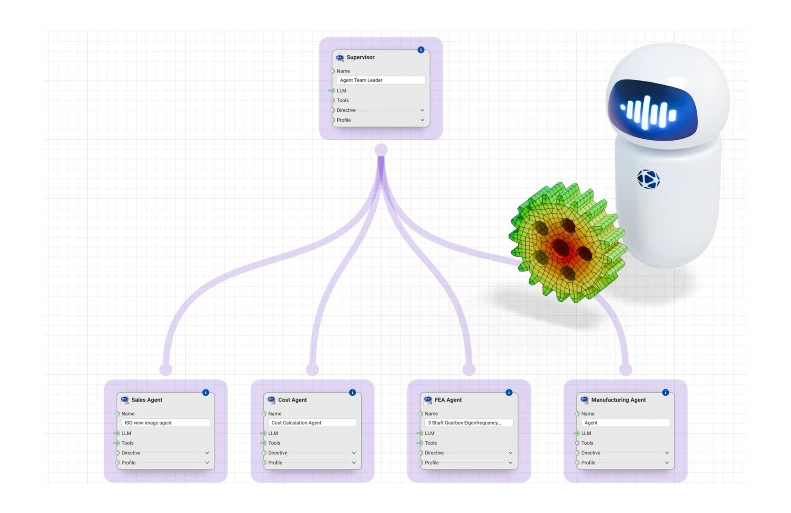
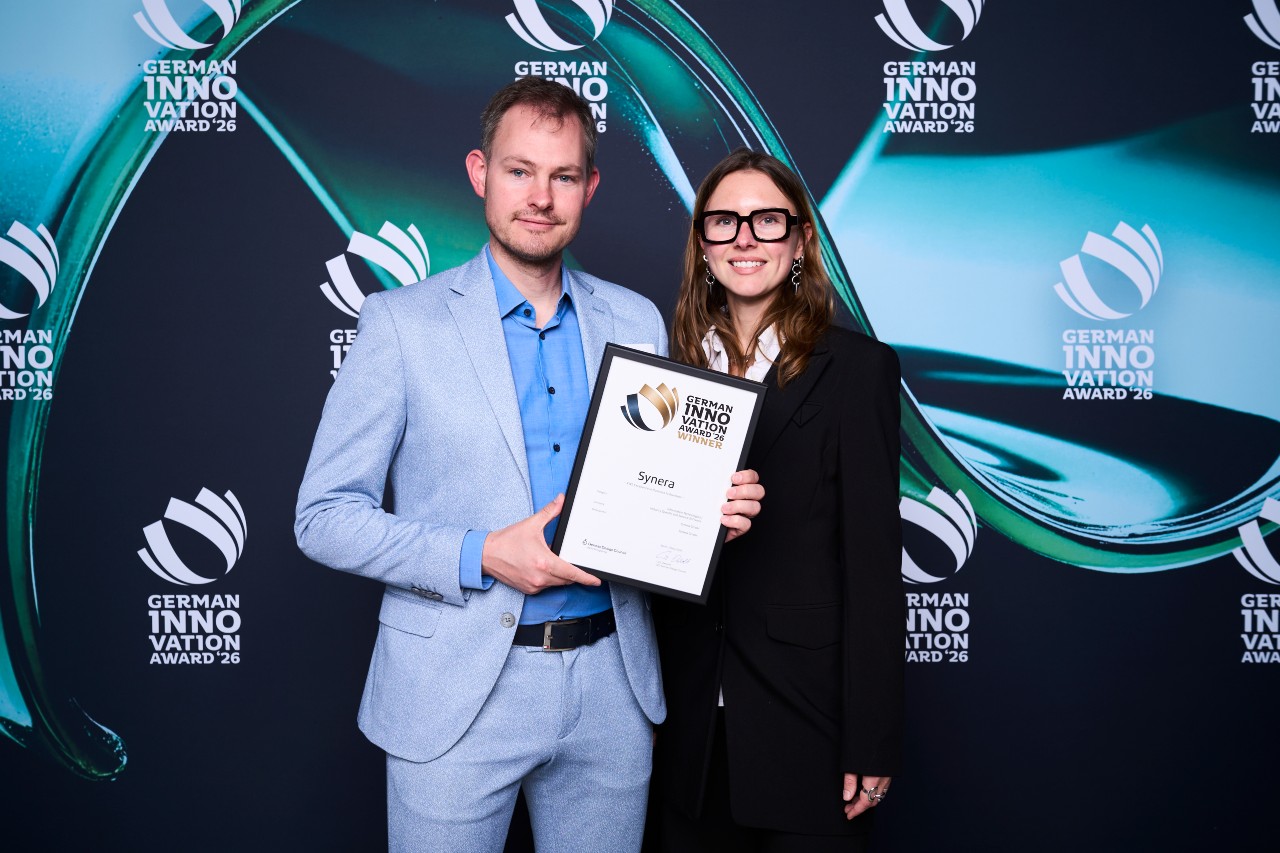
This article is the first in a series by Synera CEO Dr. Moritz Maier. It reflects on how Synera built agentic automation for engineering, helped advance vehicle technology development, and moved closer to a “JARVIS for Engineers.” It is a year-end reflection from the CEO’s perspective.
For years, multi-agent systems (MAS) in engineering lived in the realm of research papers and conference demos. They looked interesting and promising, but they were rarely trusted in real work. In 2025, that changed.
Multi-agent systems began doing real engineering work inside real enterprise environments, with clear responsibility and accountability. Together with partners like BMW, NASA, and AWS, we showed something essential. AI agents can do more than reason. They can execute engineering tasks across CAD, CAE, simulation, cost analysis, and documentation workflows.
Synera has a long-term vision to build a JARVIS-like assistant for engineers, similar to the one Ironman uses to build his suit. In 2025, that vision became tangible.
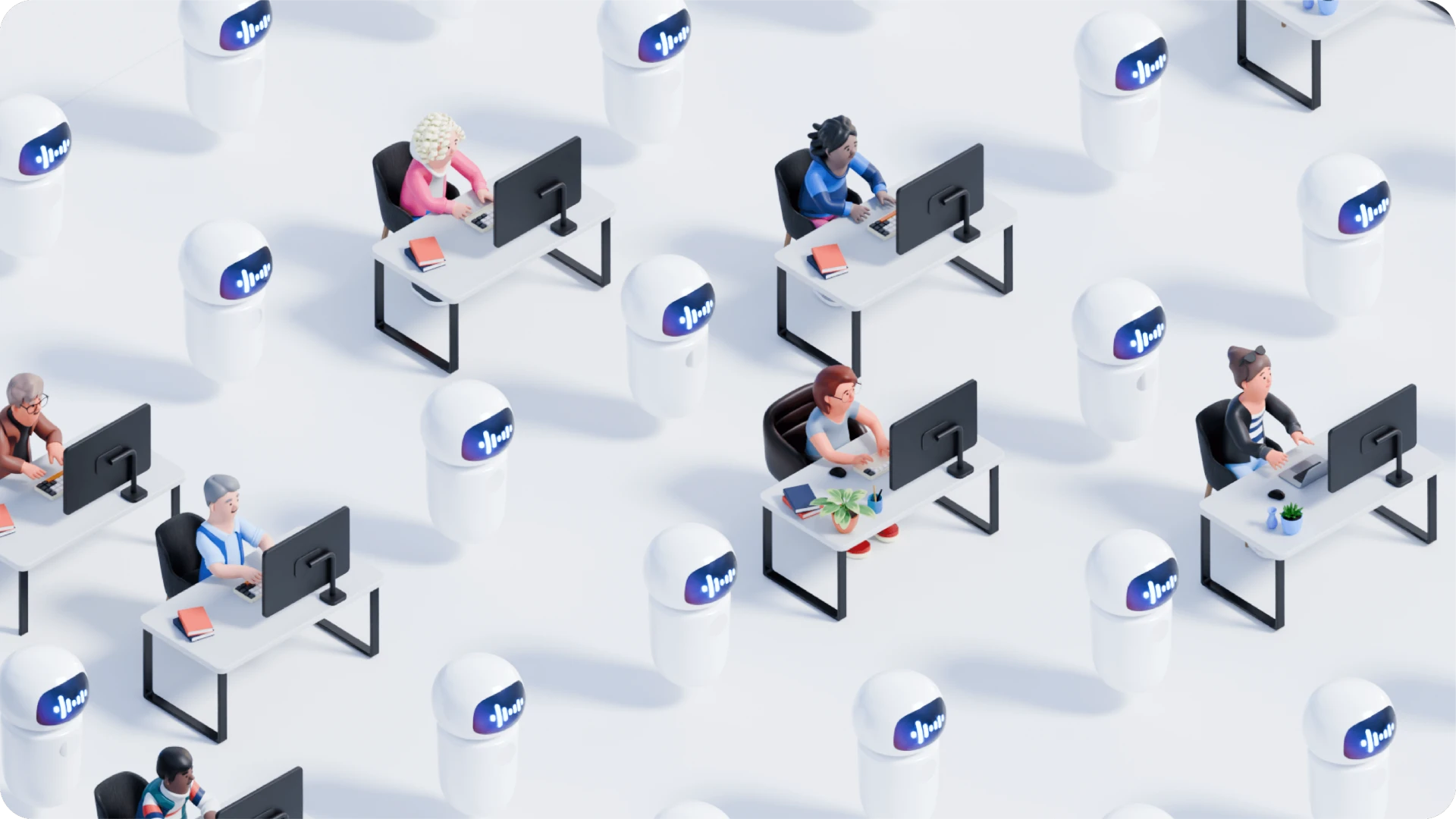
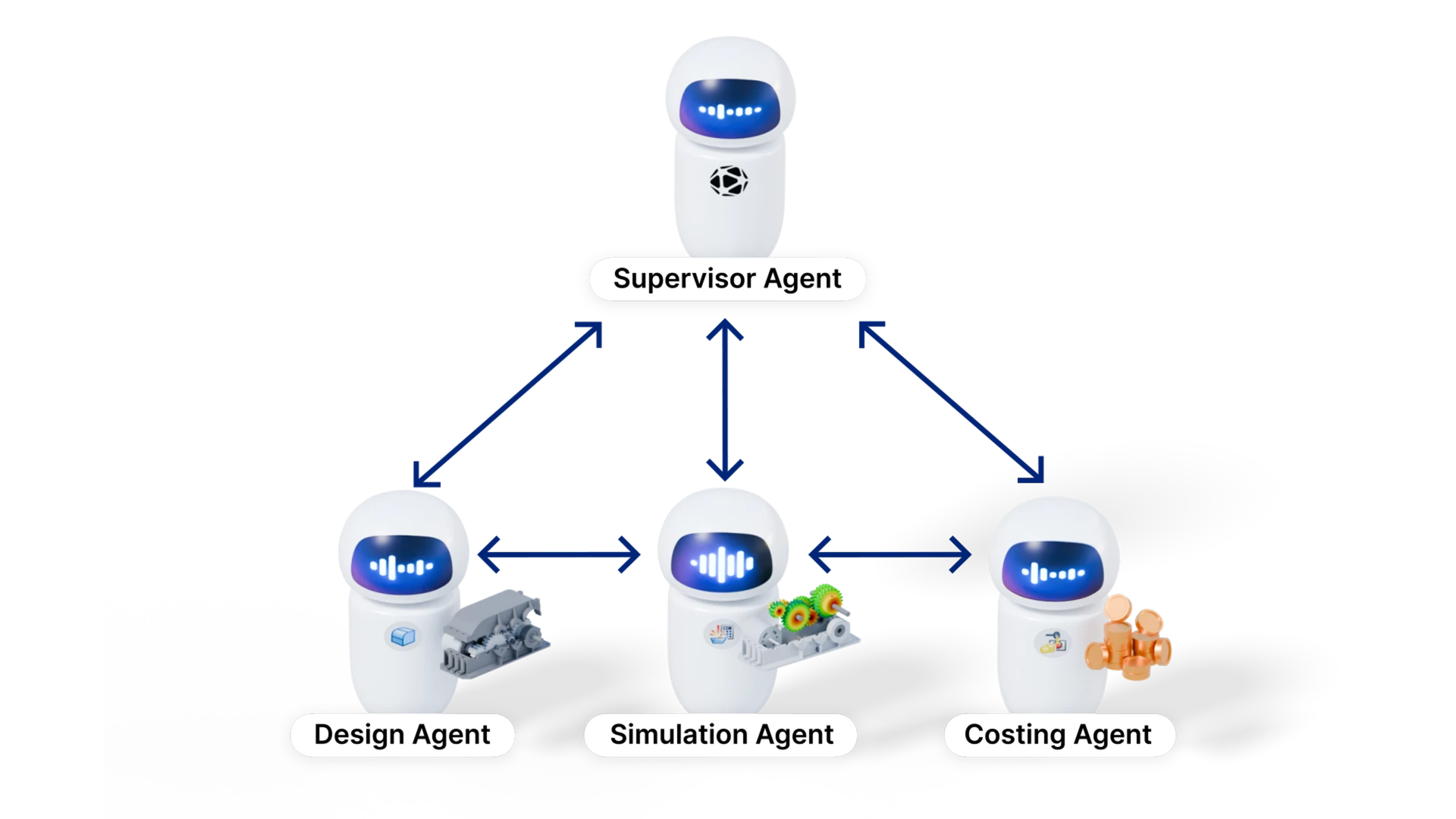
This was not a moment of hype. We didn’t just build an AI tool. We built an entire AI engineering platform where autonomous agents collaborate, execute deterministic tasks, and orchestrate complex workflows that were once handled only by humans.
The breakthrough, from workflow automation to digital engineers, has been documented in both our customer successes and industry webinars where leaders from NASA, ARRK Engineering, and others share firsthand experiences.
You can watch the webinar, How to Deploy AI Agents in Engineering Teams to Build a Scalable Competitive Advantage.
The real breakthrough in AI for engineering
In 2025, generative AI and language models received a lot of attention. But the real leap in engineering did not come from smarter models alone. It came from tool orchestration. Engineering work depends on many tools working together. AI agents must use these tools on their own while delivering the same quality and precision engineers expect.
Product development is rarely linear. It is full of constraints, dependencies, and strict requirements. When something fails, the impact is unforgiving. A single agent can help by giving suggestions. But when multiple agents work together, check each other’s results, validate outputs, and trigger deterministic tools, they can truly engineer.
In 2025, Synera shipped the first production-ready multi-agent system built specifically for engineering. These agents can:
- Understand engineering intent and requirements as well as validate results using quality assurance agents and rule-based checks
- Select and coordinate tools across the development process
- Integrate with CAD, PLM, CAE, and costing systems to perform engineering tasks on their own
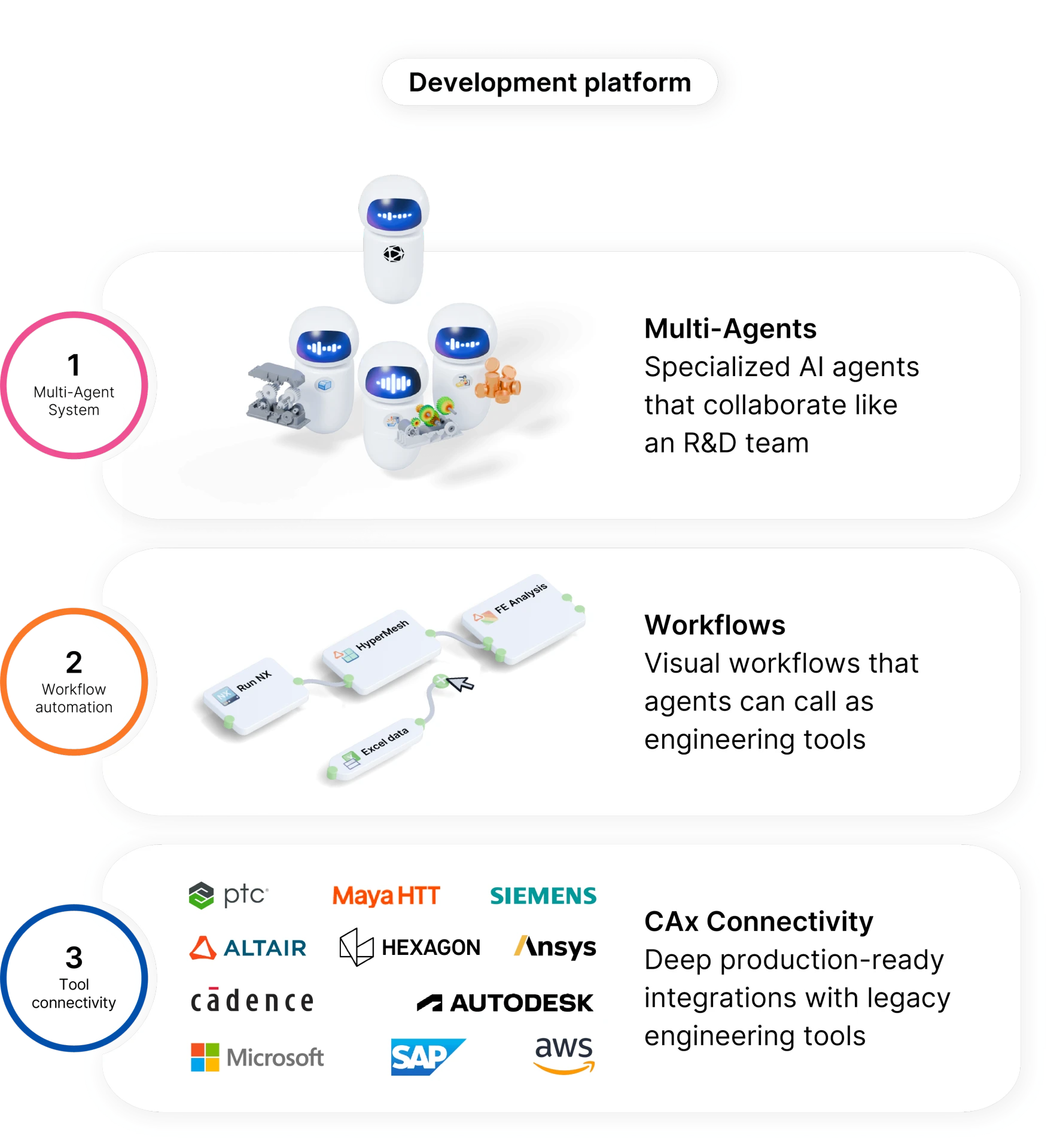
This mattered because it aligned AI with how engineering really works. It also packaged these capabilities in a way that made digital engineers easy to build, easy to share, and strong enough to run in high-performance engineering environments.
At the moment, Synera AI agents moved from idea to reality. Engineers began asking a new question: “Can AI agents help me do real work today?”
Proof agentic AI for engineering works: use cases that removed doubt
In 2025, two use cases made the value of digital engineers undeniable:
- NASA - multiagent optical bench design
As part of NASA’s Text-to-Spaceship vision, multiple agents worked together to design an optical bench. This task allows no ambiguity. Agents handled constraint checks, geometry reasoning, and iteration together. This was not AI assistance. It was digital engineers working as a team.
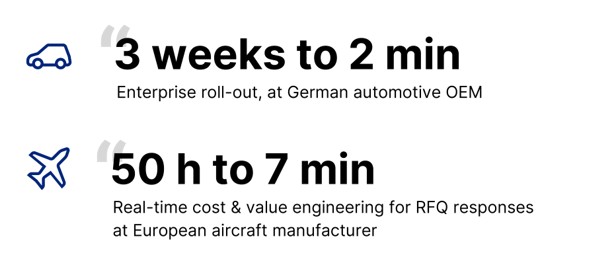
- RFQs - 99.8% time savings
A major aerospace manufacturer reduced call-for-tender preparation from weeks to minutes. This was not achieved by cutting corners. Engineering logic was encoded once in Synera. Digital engineers then executed it the same way every time.
These are not edge cases. They are repeatable. By Synera Connect, our agentic engineering conference in October, the message had shifted. It was no longer “we believe this will happen.” It became “digital engineers work.”
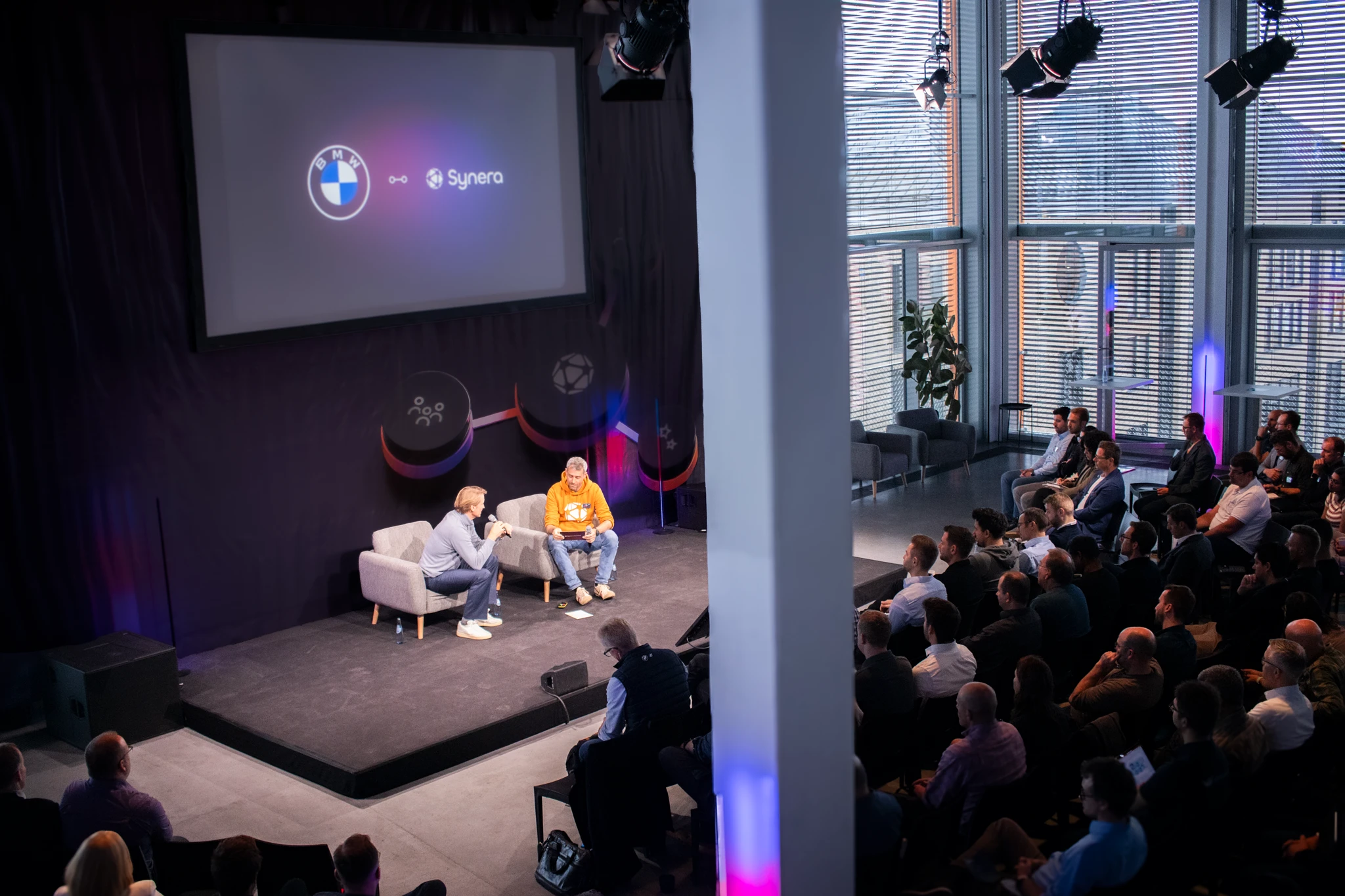
Our customers showed real outcomes in vehicle technology development for automotive OEMs and across many customers, RFQ workflows became a recurring theme. These processes sit at the intersection of requirements, tool execution, and documentation. In 2025, we saw cases where timelines moved from multiple weeks to minutes. That is not only cost saving. It changes competitiveness. It changes how fast a company can respond when an opportunity appears.
CAE automation: an evergreen foundation
And then there is the evergreen that has motivated Synera for years: CAE automation. When geometry changes, engineers often repeat the same chain: clean the geometry, mesh it, connect FE simulation, run it, post-process, and report. These steps are important. They are also draining.
For Synera, CAE automation remains a cornerstone. It is not always flashy, but it is deeply valuable - and when it works well, engineers get time back to explore more and for real innovation.
Also, flexibility between workflow automation and agentic AI revealed a lesson learned: rule-based workflows still have their place to create value, and intelligent digital engineers flexibility come in where complex reasoning must adapt.
The uncomfortable truth: AI adoption is harder than AI development
The hardest part of AI in 2025 was not the platform or the models. It was people.
Prompt engineering is a new skill. Change management is not optional. Engineers are rightly skeptical, because precision matters.
We learned quickly that:
- Guardrails are essential. AI without transparent logic and validation does not work in engineering.
- Enablement is part of the product. Digital engineers succeed only when teams see how they work, why they chose certain paths, and how errors are caught.
- People come first, even in AI. Planning, training, prompt engineering literacy, and change leadership are critical.
Digital engineers are not replacements. They are coworkers. They take the repetitive load so human engineers can explore more.
The companies that win with AI will not be those with the most agents. They will be the ones that integrate agents into real, value-creating work.
About the author:

Dr. Moritz Maier is CEO & Co-founder of Synera. He was fascinated by the connection between technology and entrepreneurship from an early age – founding his first company at 16. His path later led him through scientific research and consulting to the central question that drives him to this day: How can engineers work more intelligently through automation – rather than just faster?
With a PhD in product development processes and experience in generative design, additive manufacturing, and process automation, he now works on the vision of digital engineers: AI agents that support technical development teams and give them more space for innovation.
His approach: Technology should adapt, not the other way around – only then can it truly help people in everyday engineering.