In five years, an engineer without AI agents is like a factory without electricity. – Dr. Moritz Maier, CEO, Synera
It took nearly 100 years to move from manual engineering to software-led workflows. The AI revolution that followed took less than a decade to emerge. The pace is accelerating, and the window to lead is narrowing. There are lessons to be learnt from the previous automation revolutions.
When factories switched from steam to electric motors, most didn't redesign their shop floors. They waited thirty years to realize their full potential. Today, plugging a large language model (LLM) into a fragmented, multi-tool engineering process produces the same result. Redesigning how engineering teams work around AI is the way forward.
Let us walk through the history of engineering's transformation and see what today's pioneers are doing differently.
The Past and Present of Engineering: A Snapshot
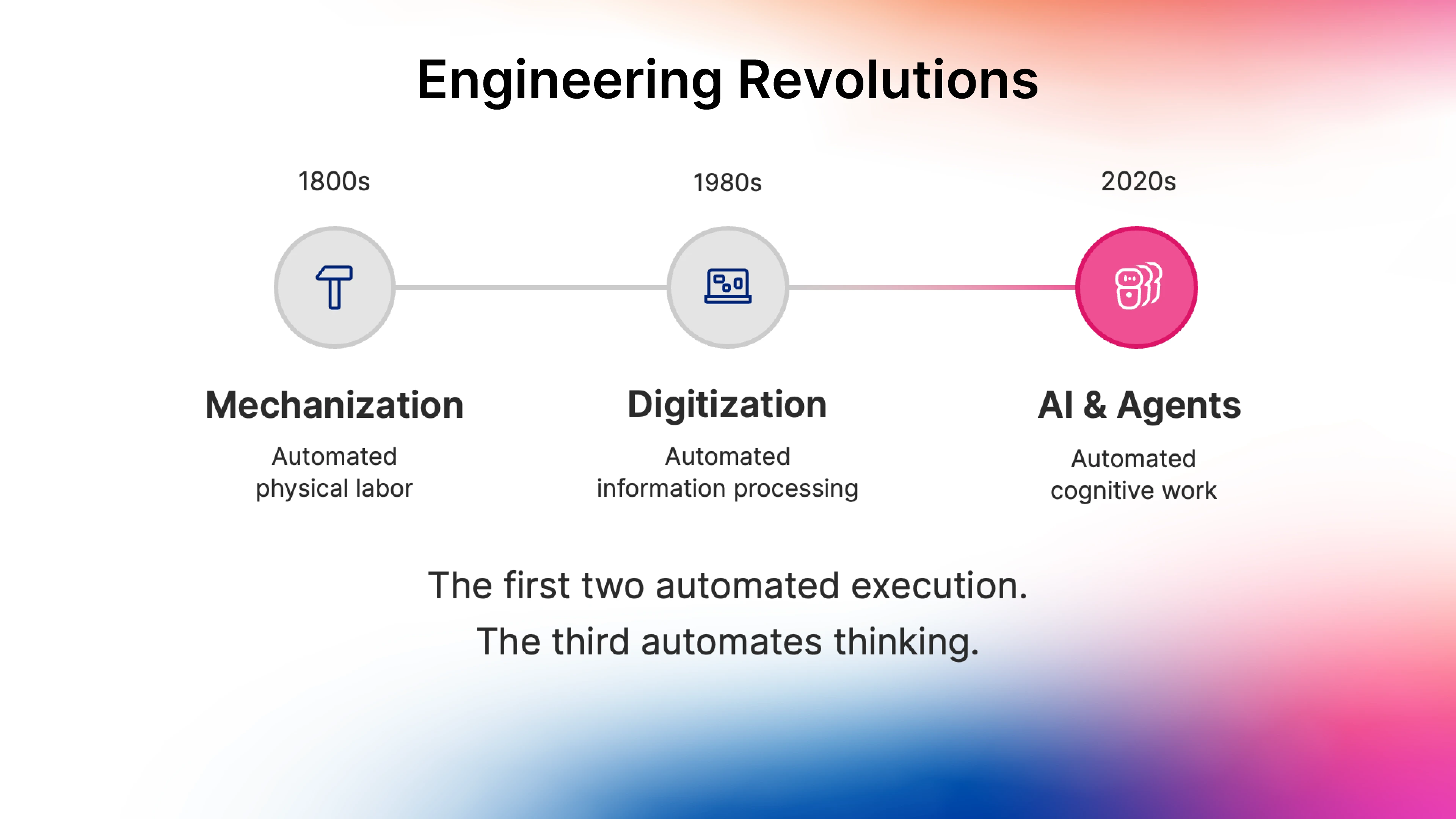
Engineering has always evolved. But the pace of that evolution is accelerating faster than most organizations can keep up with. The electric motor into use in the 1800s and a 100 years later, in the late 1900s to 2000s, software-led engineering emerged:
- Late 1900s to 2000s: Software-Led Engineering - CAD tools, simulation software, and digital workflows automated information processing for the first time. It took nearly 100 years to get here from the manual engineering phase.
- 2010s to Present: The AI and Agentic Era - Machine learning entered engineering workflows in the 2010s. By the 2020s, AI agents could reason and execute across entire workflows autonomously. What took 100 years before took less than two decades. The pace is compressing.
Traditional engineering will shift to digital, data-driven workflows where engineers no longer execute tasks themselves but instead orchestrate intelligent systems. – ARRK at Synera Experience Day
The gap between technology and infrastructure
Here is what’s holding engineering organizations back:
- Fragmented tools: A single product development process can include 500 or more engineering tools, none of which were designed to communicate with each other or with AI systems.
- Data in the wrong places: Engineering data lives across personal laptops, on-premises servers, and mainframes while many mainstream AI tools need cloud connectivity to function.
- Models that don't speak engineering: Generic LLMs struggle with the unstructured outputs that engineering tools produce, from simulation results to CAD geometry exports.
What makes agentic AI successful in engineering: Learn from the pioneers
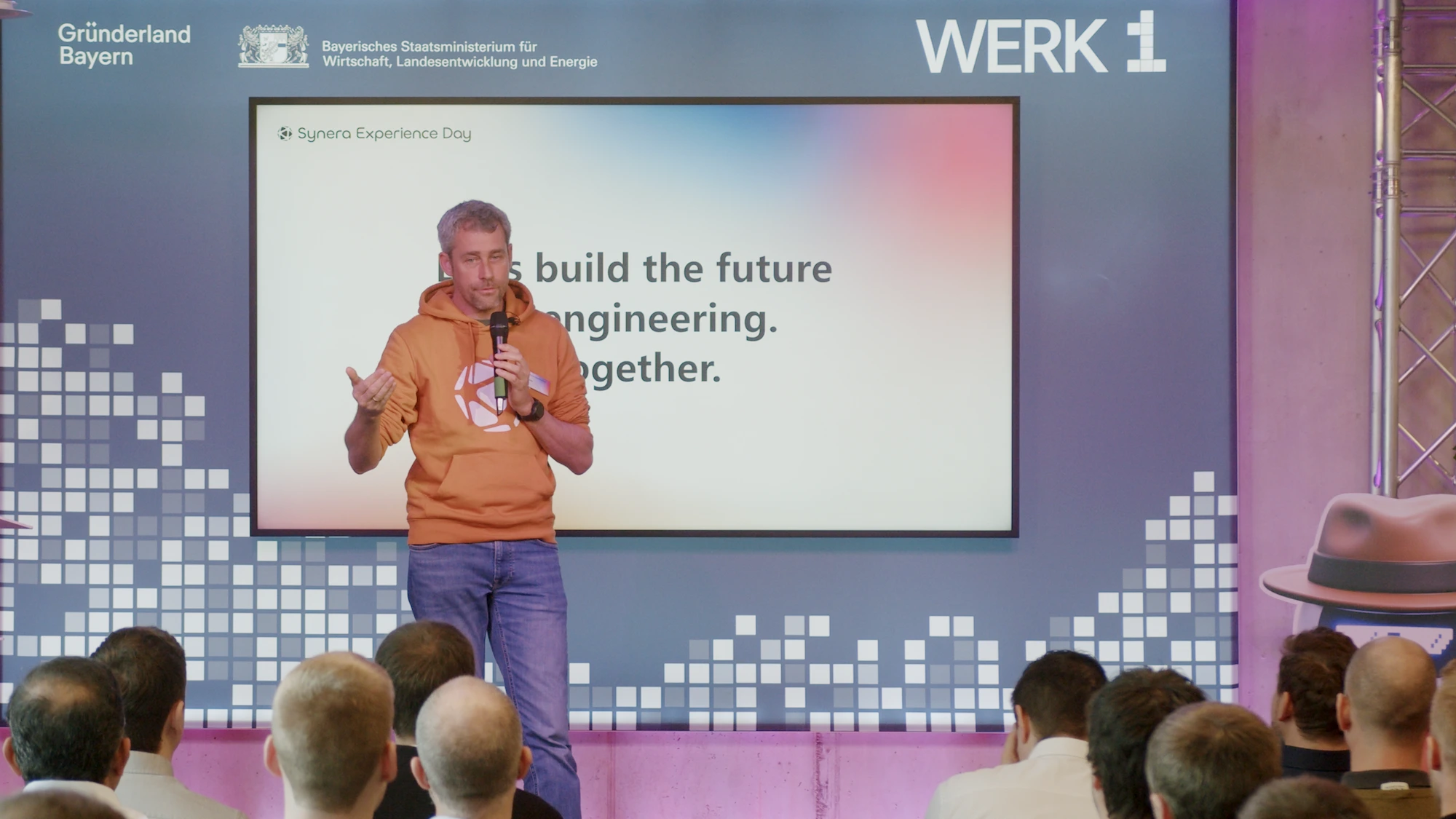
Three lessons stood out across every session at Synera’s Experience Day, the once-a-year event where champion product users come together to demonstrate what they have achieved with Synera and exchange ideas. Let’s dive in.
“We’ve worked with Synera for years, and its importance keeps growing, especially with AI.” – Miele team at Synera Experience Day.
Key takeaway 1: Agents stand tall on automation foundation
The push to adopt AI has already begun in most engineering organizations. The temptation is to attach an agent to the nearest available process. But, this does not work well for engineering. And the gap often comes from the underlying infrastructure instead of the available technology.
“Build the automation foundation first. Successful AI agent adoption starts with automation.” – Florian, ARRK at Synera Experience Day
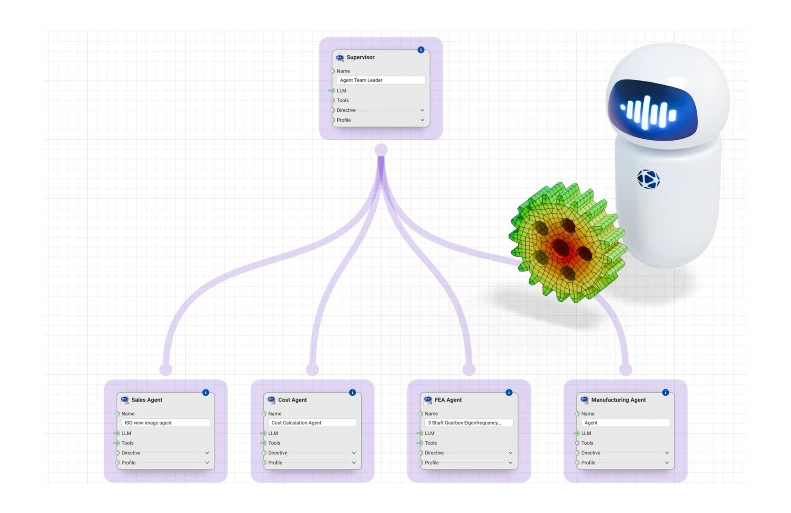
Having a stronger automation foundation directly translates into success in building your first agentic system. For example, a request for quote (RFQ) process can be quite complex for a tier-one automobile supplier, with having to balance multiple product specifications, strict quality standards with tight budgeting constraints. Knowing the process end-to-end and having the automations in place can help you set up the agentic system for RFQ with a team of agents working in harmony faster than without it.
At Synera, we ensure that the automation becomes stronger first to enable the Agents to apply sound logic and expertise on top of it. And it shows in the results.
“Significant reduction in RFQ lead time enabled by Synera’s Multi-Agent System” – Erdrich engineering team at Synera Experience Day
Key takeaway 2: Keep humans in the loop with intention
Agentic AI is the best digital coworker your engineers can have. It accepts requirements in natural language, applies built-in domain knowledge, and iterates continuously until it reaches a solution. But, the best systems are not about the AI agents, they live to serve the business objectives.
Agentic systems improve with use. They get sharper with feedback, broader usage, and testing across varied requirement conditions. At the Synera Experience Day, we understood that pioneers of implementing agentic AI in engineering:
- Modeled human behavior and interaction patterns upfront to reduce user errors at the source
- Built explicit human checkpoints into their workflows for quality control, knowledge sharing, and functional feedback
- Trained Agentic systems that operate with a team of agents on long-term memory to standardize output and maintain engineering best practices at scale
Key takeaway 3: Specialized agents deliver precise results over general Agentic systems
The most consistent advice from senior leaders from Synera and early adopters of Agentic AI systems on the Synera Experience Day was to choose specialized AI agents and agentic systems over general-purpose ones.
AI agents fare better with well-defined boundary conditions, roles, and deliverables. Companies that see higher adoption rates and faster time to value ensure that their AI agents target:
- A specific process that directly serves the organization's key performance goals.
- A specific role within a larger workflow, so results can be validated individually before the system scales.
- A role that can serve more than one department with a standardized logic
Trade automation for fragmented workflow: The path to AI success
If you are an engineering leader wondering, how do I get my organization on the path to AI success, the answer is clear: The path to AI success in engineering is not about finding the right tool. It is about building the right foundation. Start with automation. Connect your workflows. Then let agents do what they do best.
Agentic AI gives engineering organizations a measurable competitive edge: faster RFQ cycles, higher quality outputs, and the ability to scale production without scaling headcount.
But the window to lead this transformation is narrowing. The organizations building now will set the standard. The ones waiting will spend years catching up to a technology that is not slowing down.
Synera is the only platform purpose-built for Agentic AI in engineering, connecting over 80 CAx and PLM tools so you can bring agents into your processes without overhauling your technology stack.
Don't miss what comes next. Subscribe to the Synera newsletter for the latest on agentic systems, events, product releases, and customer stories.